These materials including laminated foils and coated papers, require clear, accurate printing of expiry dates, batch numbers, barcodes, and regulatory information. Because films and foils are thin, smooth, and often heat sensitive, coding systems must deliver high quality results without distorting the material or slowing production.
Expert solutions for
FLEXIBLE FILMS AND FOIL
Our coding solutions deliver precise, high‑contrast prints on thin, heat‑sensitive films and foils, ensuring distortion‑free, reliable marking across food, beverage, pharma, cosmetics, and household packaging.
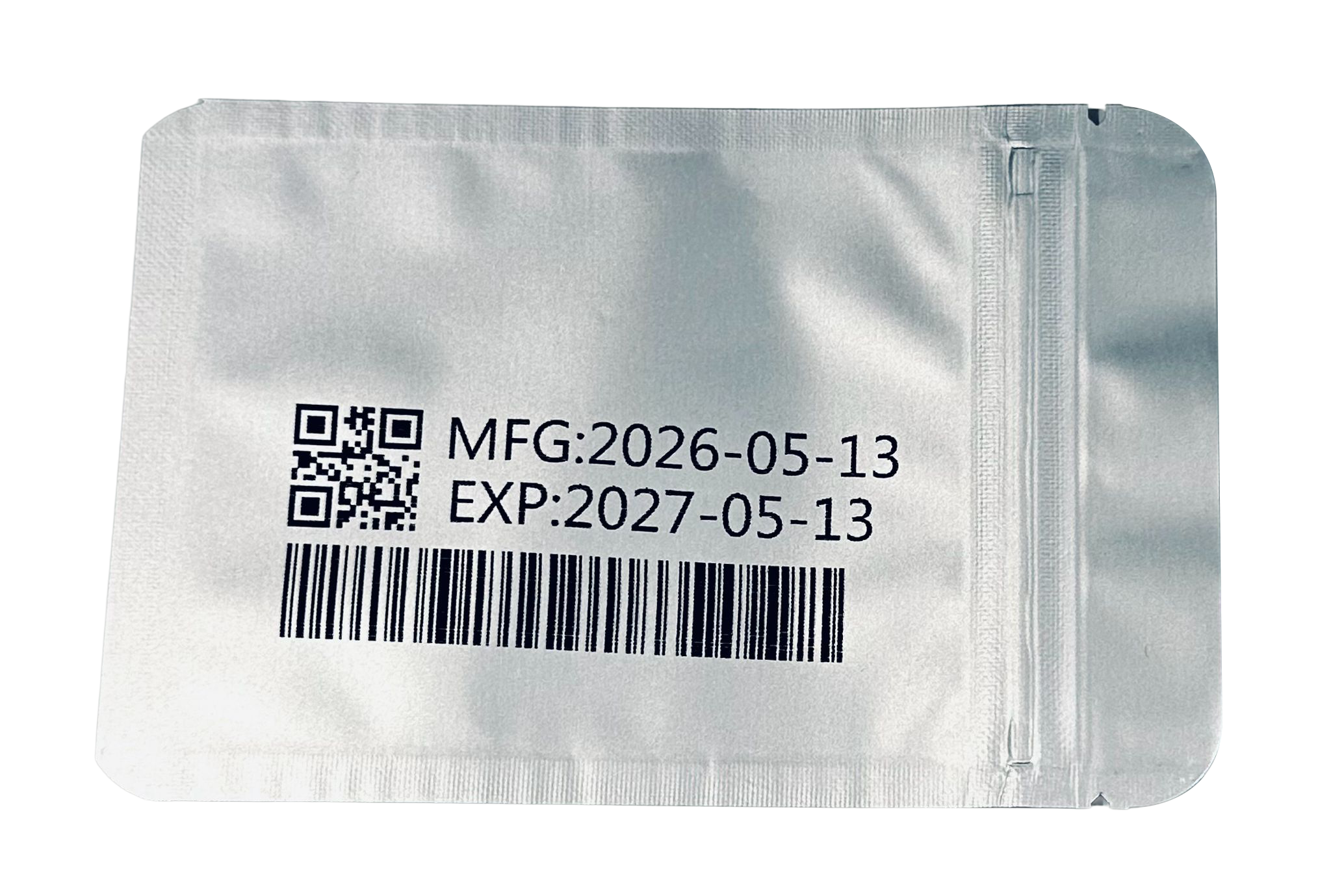
Coding and marking on flexible films and foil is essential across food, beverage, pharmaceutical, cosmetics, and household goods packaging.
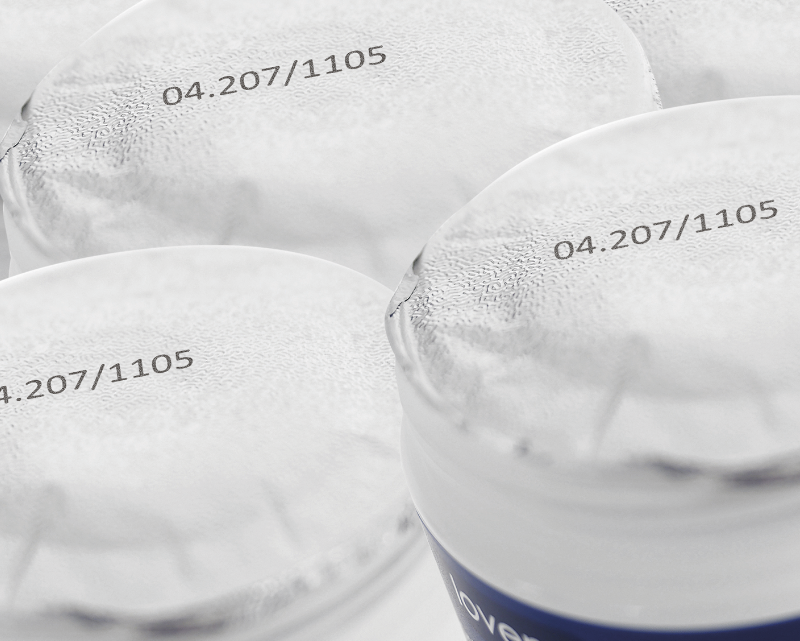
Flexible films and foil present some of the most demanding challenges in packaging coding.
These materials can wrinkle, stretch, or shift during printing, making it difficult to maintain consistent clarity. Many packaging lines operate at extremely high speeds, leaving little room for error. Films and foils vary widely in surface energy, which affects ink adhesion and durability. Laminated foils and coated papers may also require specialised inks or laser settings to achieve high contrast, long lasting codes.
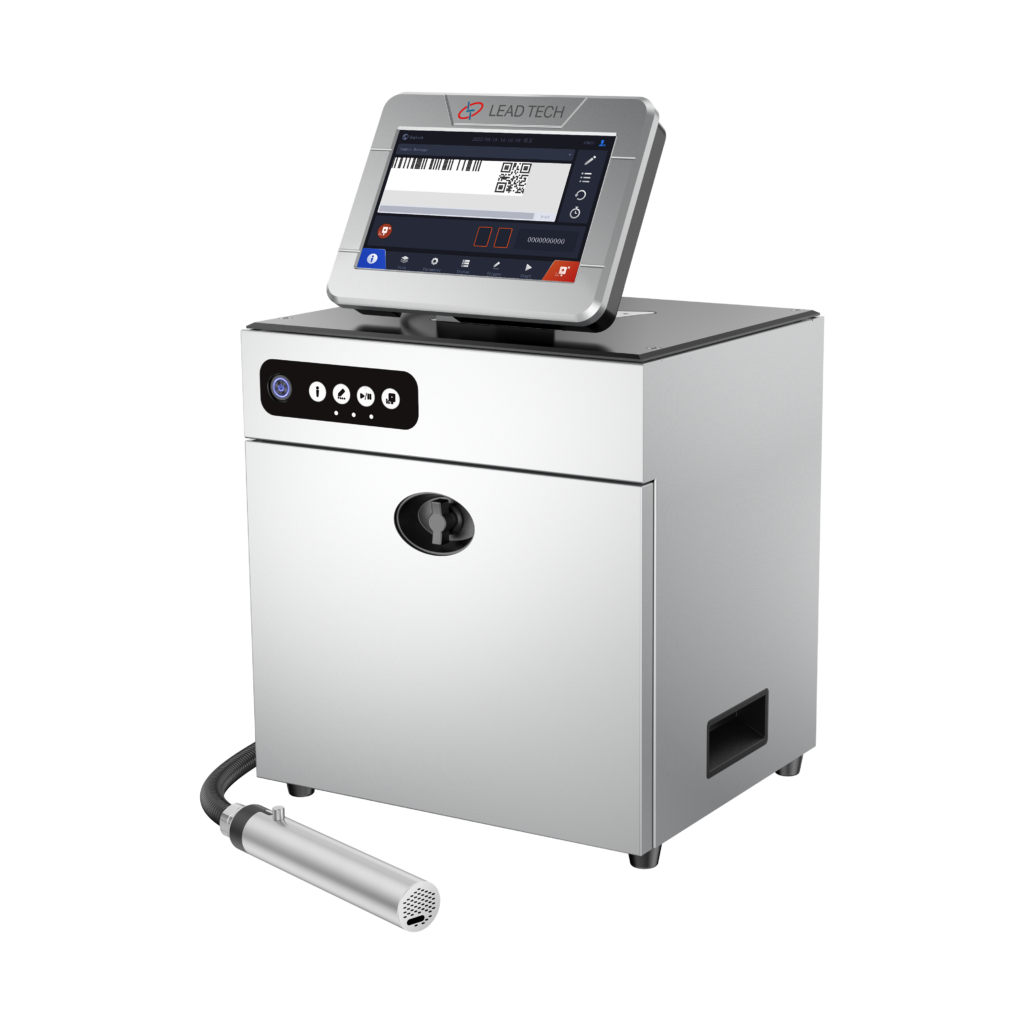
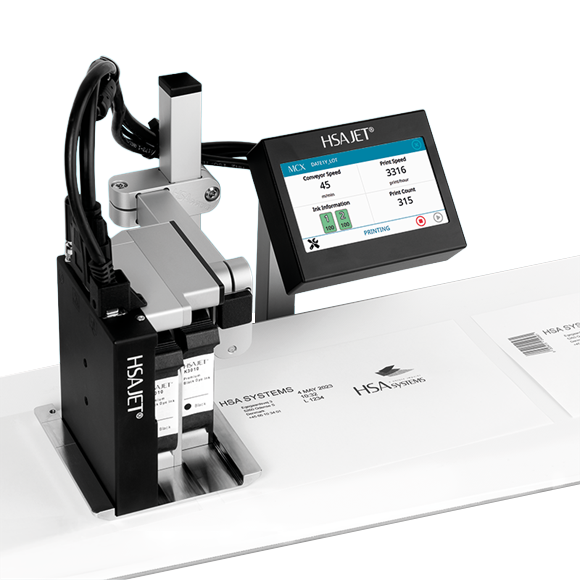
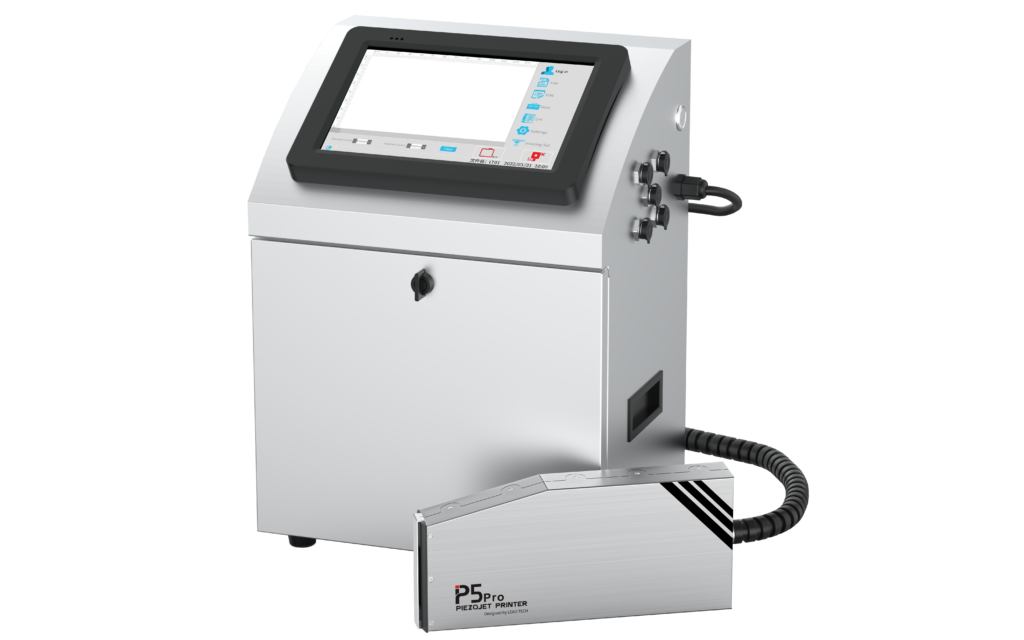
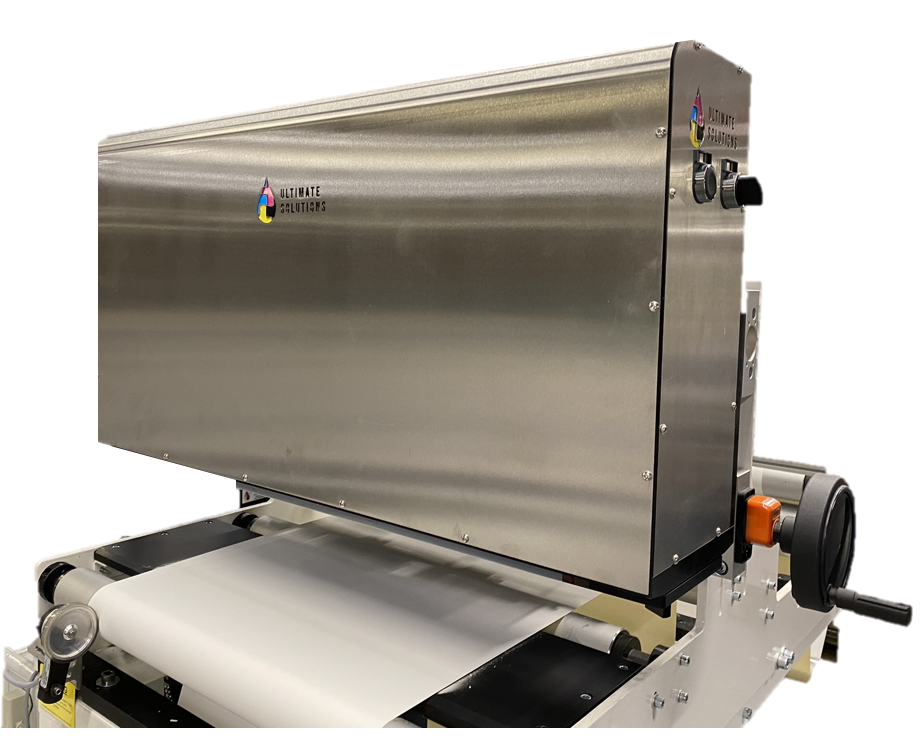
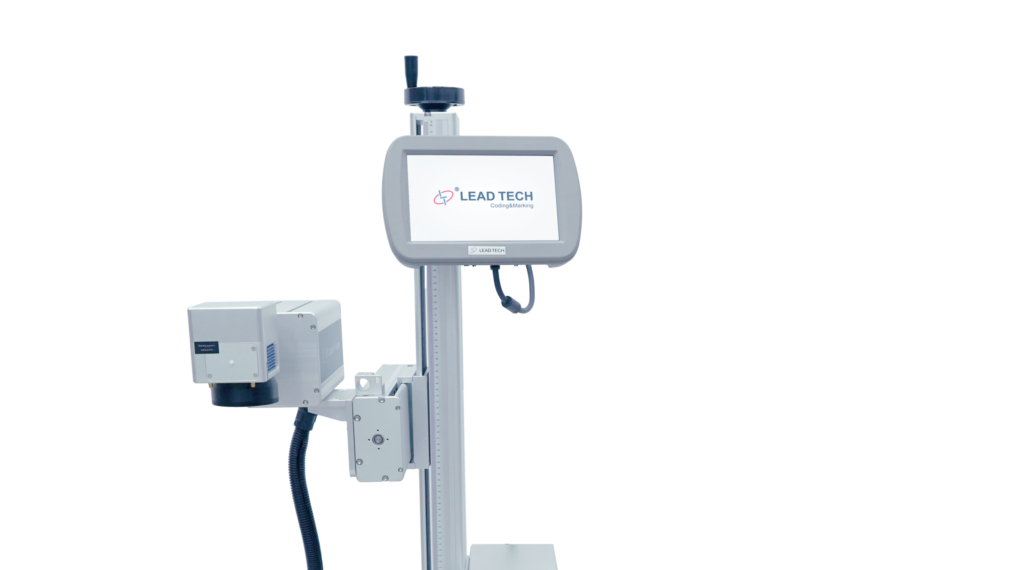
Our coding solutions are engineered to overcome these challenges. TIJ systems deliver crisp, high resolution codes on flat film before forming. CIJ printers provide fast, non contact coding on moving webs or finished packs. PIJ and Monochrome print bars offer precision for barcodes and variable data. Laser marking provides permanent, high contrast codes on compatible laminated films.
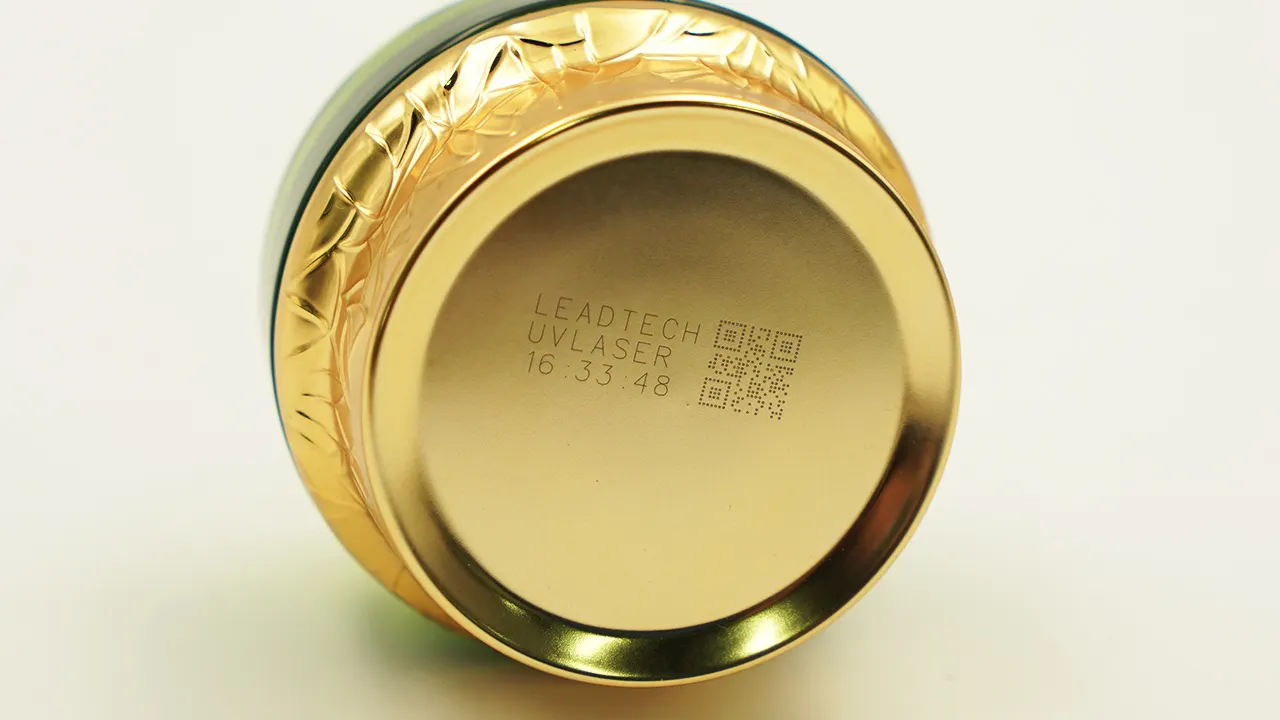
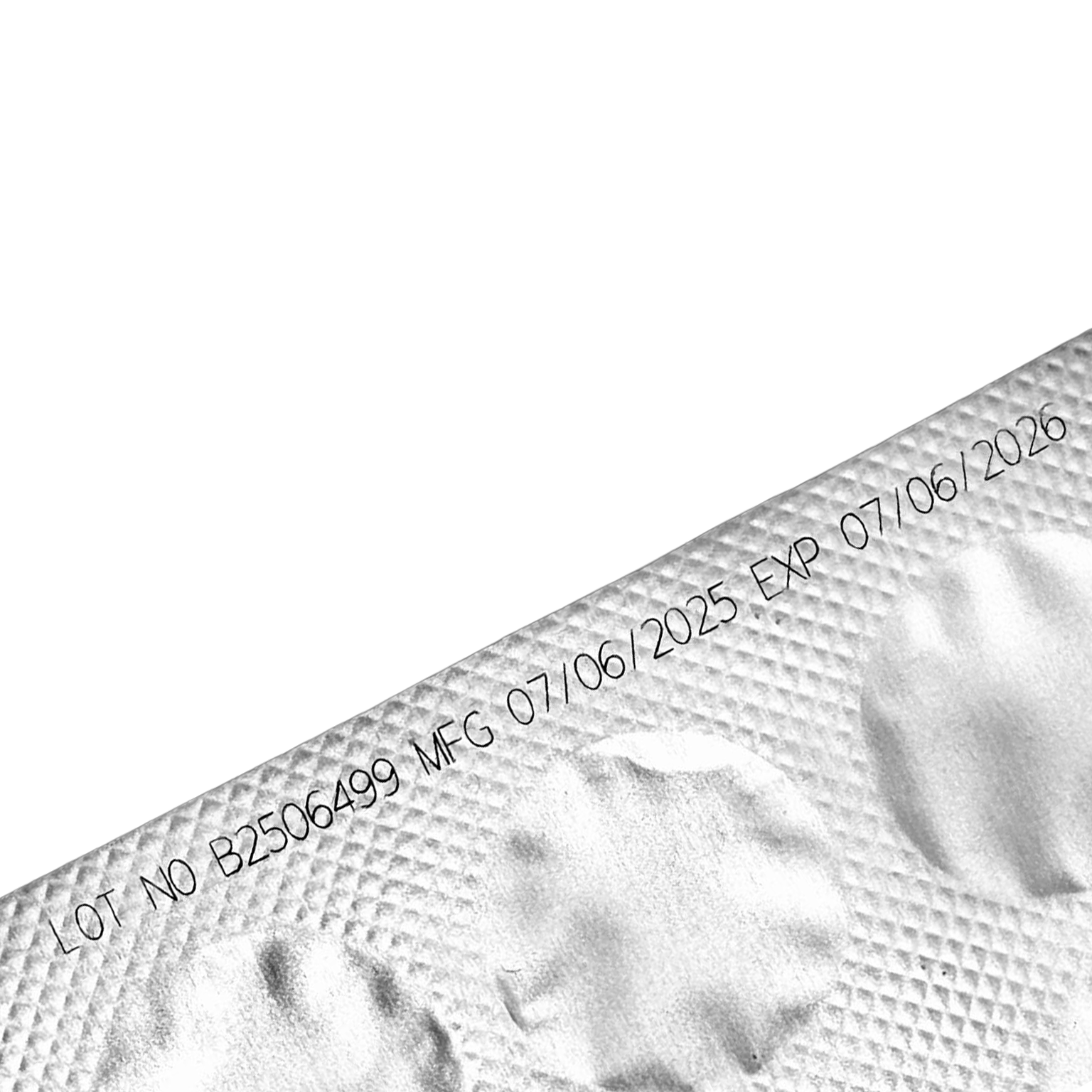
Advantages / Key Features

High quality printing on thin, flexible films and laminated foils

Durable codes resistant to heat, abrasion, and handling

Full compliance with food, pharma, and cosmetic regulations

Reduced waste and fewer rejected packs

High resolution or permanent coding options depending on material